Our K-8 Curriculum Units

Our STEAM units bring the Engineering Design Process to life through real-world challenges students love. Each unit builds deep understanding of key physics concepts and the Science and Engineering Practices — all supported by ready-to-teach slides and material kits that make hands-on learning simple, joyful, and accessible for every learner.

LYI Best of STEM Winner Badge

Every LYI unit takes students through the Engineering Design Process — investigating real-world challenges, then designing, building, testing, and improving their solutions. Students collect data, identify patterns, and back up their thinking with evidence, building the skills measured in state science assessments.

Our curriculum spirals from Kindergarten through 8th grade, deepening Science and Engineering Practices year after year — with units that fit flexibly into your school day.

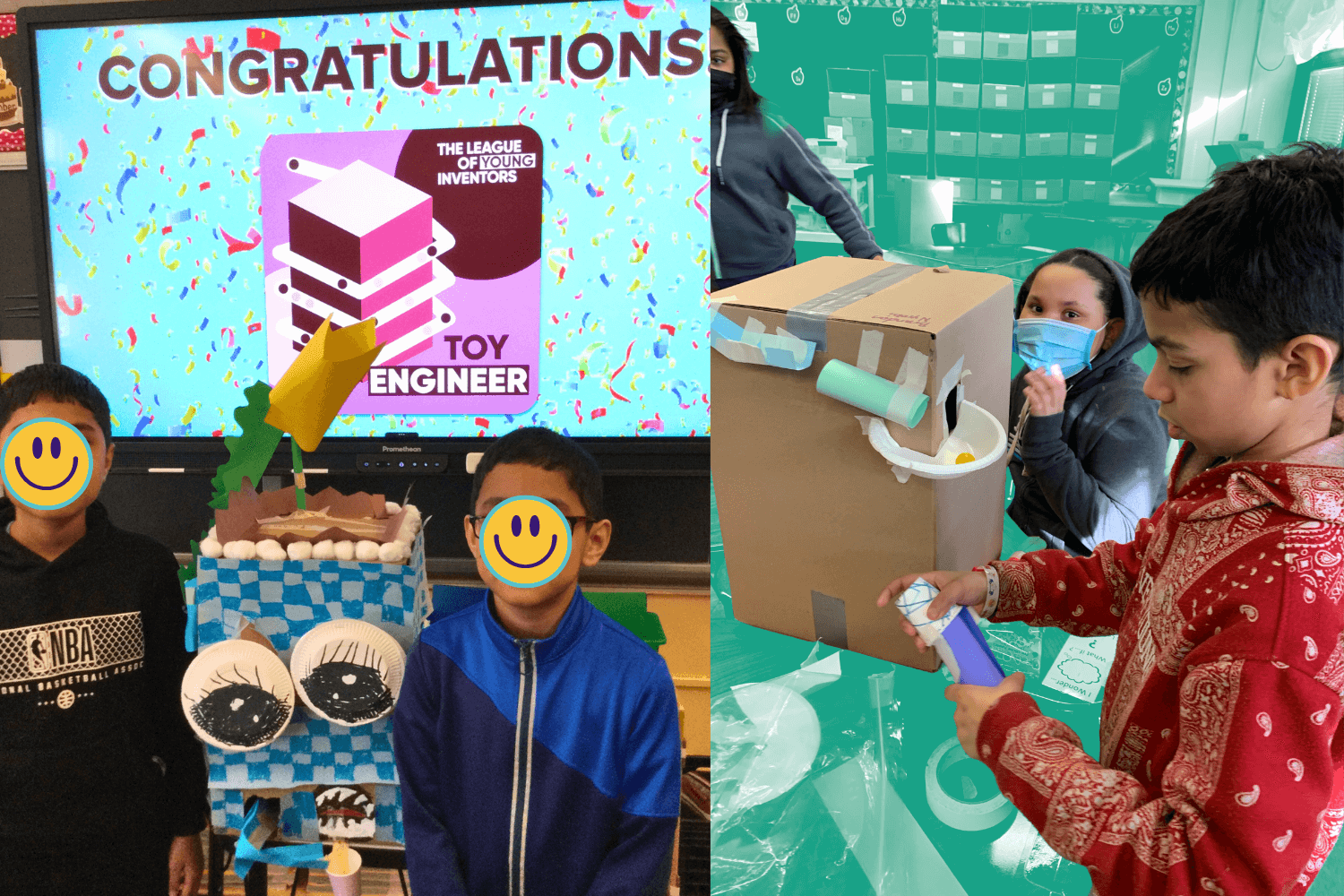
Toy Invention Curriculum & Kit Series

Through hands-on challenges from “toy inventors,” students use the engineering design process to test ideas and build working solutions.

Everyday Engineering Curriciulum & Kit Series

Students research, design and refine solutions to civil-engineering challenges that mirror how real communities are planned and built.

What Teachers Are Saying

Toy Invention Series · Grades K–1
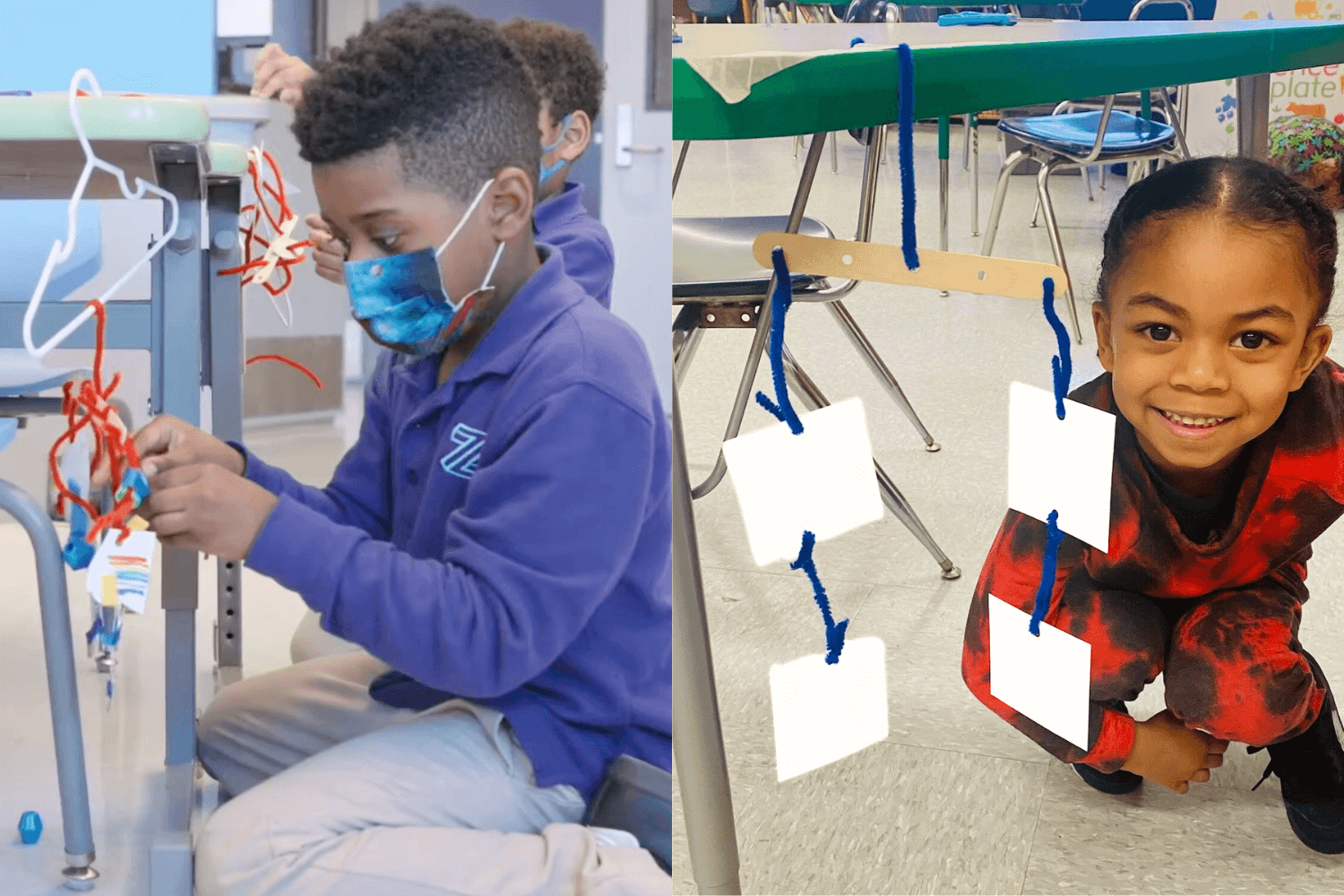
Balancing Mobiles
9 lessons · 9–12 instructional hours

A mystery at the art museum reveals a mobile sculpture hanging unbalanced, so students step in as engineer-artists to solve this balance challenge. Through hands-on investigations, they explore gravity, balance, and counterbalance while discovering that both weight and placement affect equilibrium. 

Students apply the engineering design process to design and build  their own multi-arm mobile sculptures, testing and refining their designs until everything hangs just right.

What Students Learn

  • Why objects balance and what throws them off

  • How both weight and position affect balance

  • The role of gravity in pushing and pulling systems

  • Authentic practice with 4 Science and Engineering Practices: Asking Questions, Planning and Carrying Out Investigations, Analyzing and Interpreting Data, and Designing Solutions

What's Included

  • 9 slide-based lessons with embedded graphics and media

  • Step-by-step teacher guide with facilitation notes

  • Student worksheet packet with pre/post assessment

  • All hands-on building materials

  • Maker skill video tutorials

NGSS Alignment

K-PS2-1 · K-PS2-2 · K-2-ETS1-1 · K-2-ETS1-2 · K-2-ETS1-3

TOY INVENTION
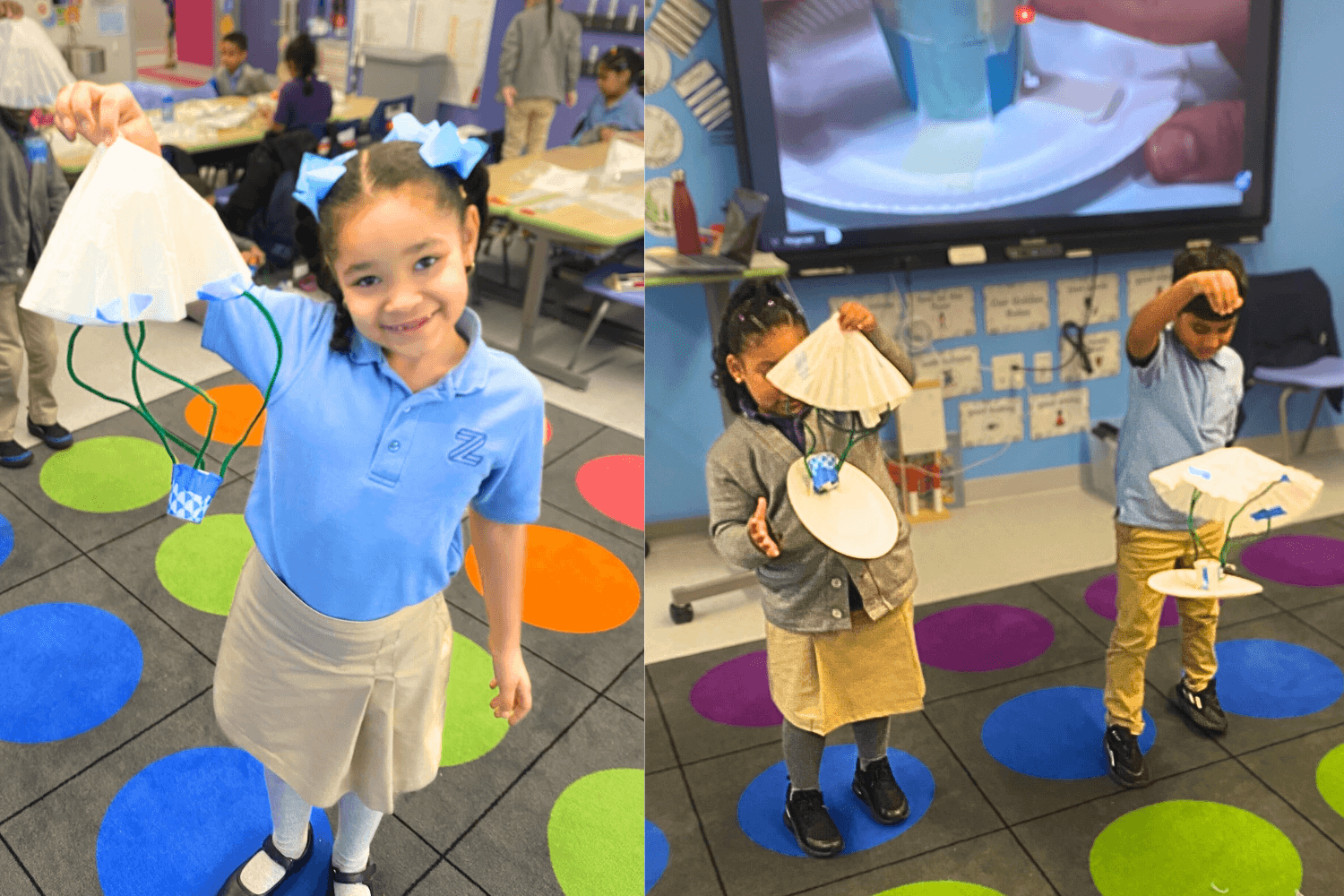
Parachutes (Lower Grades)
Designed for grades K-2

A toy inventor's parachute prototype drops too quickly and crashes on landing, so students step in as engineers to solve this safety challenge! They design and test parachutes using principles of gravity, air resistance, and balance through hands-on experimentation with canopy sizes and suspension lines. Students apply the engineering design process to optimize parachute performance with everyday materials, creating slow-falling, safe-landing solutions. The unit culminates with students presenting their final designs and reflecting on the scientific principles and problem-solving strategies that guided their innovations.

What’s included:

  • 10 slide-based lessons (10-12 hours of instructional time)

  • Standards alignment

  • Hands-on class material kits for up to 30 students

  • Embedded media and clear instructions

TOY INVENTION
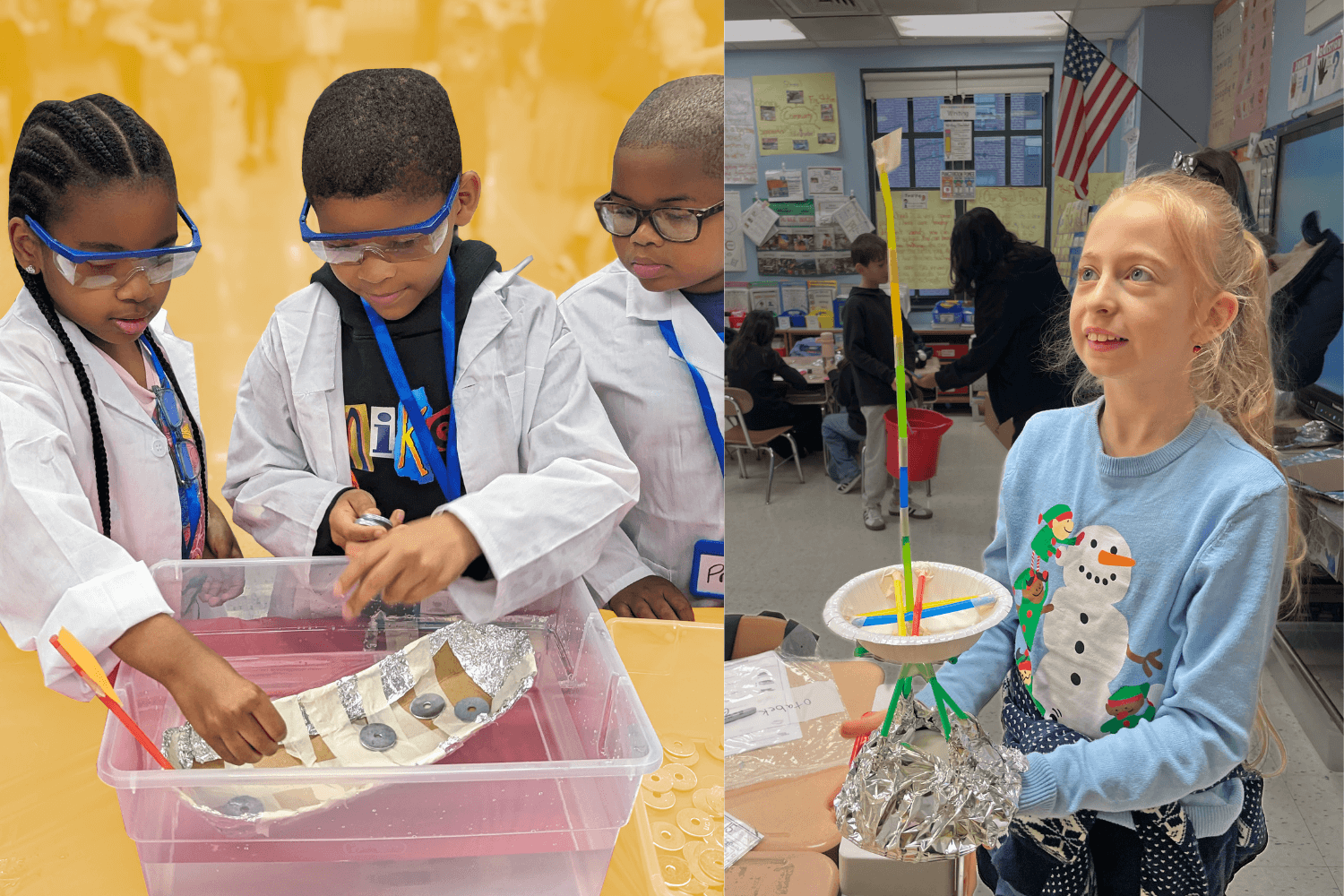
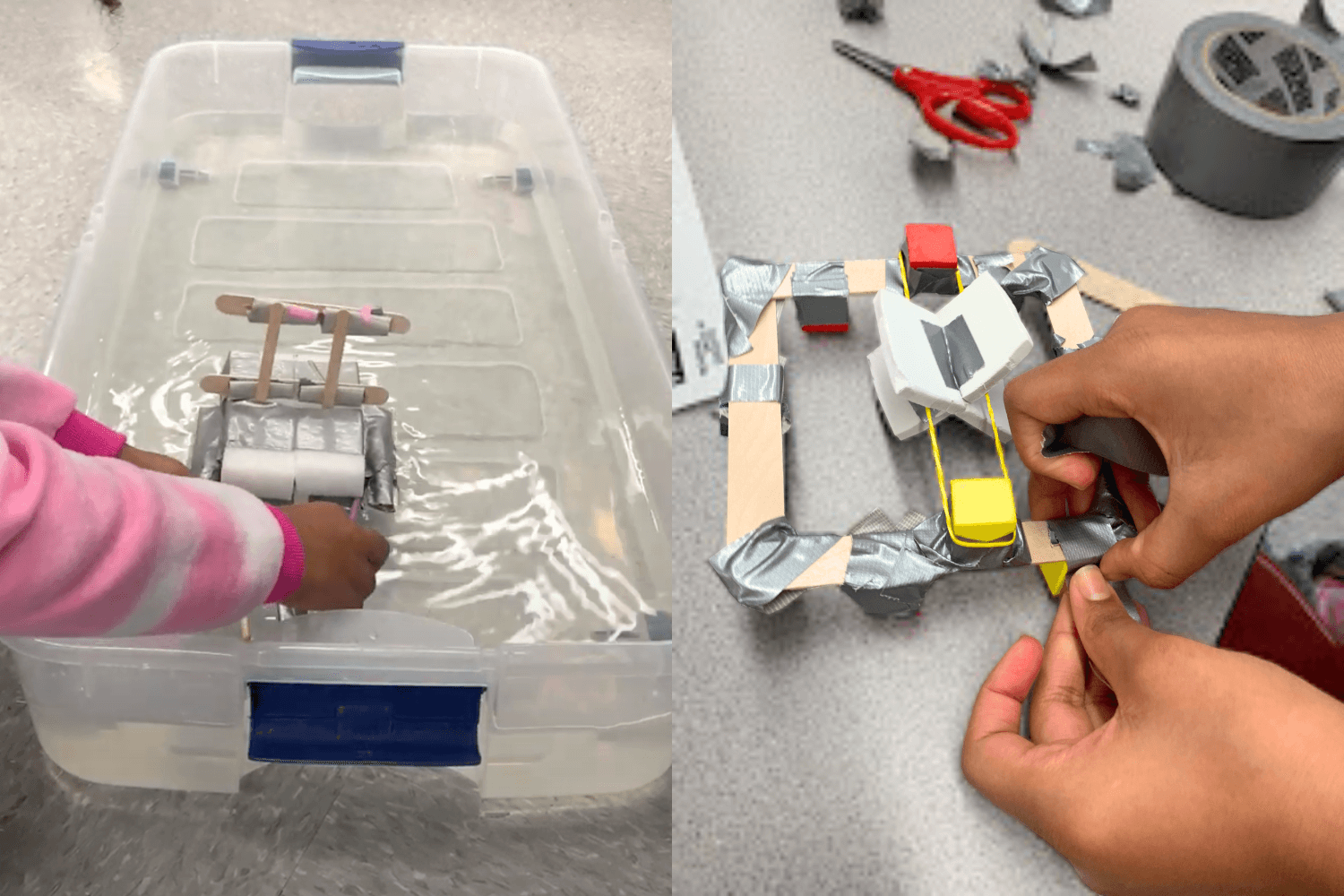
Floating Boats
Designed for grades K-3

A toy inventor's new boat designs keep sinking, so students step in as engineers and scientists to solve this buoyancy challenge.
Students explore key concepts like buoyancy, gravity, force, and balance through floating and sinking experiments, investigating how weight and shape affect whether boats stay afloat.
They apply the engineering design process to brainstorm, build, and improve their own floating boat models using everyday materials while tracking data and comparing designs.
The unit culminates with students showcasing their final boats and reflecting on their learning about floating principles and engineering problem-solving.

What’s included:

  • 9 slide-based lessons (10-12 hours of instructional time)

  • Standards alignment

  • Hands-on class material kits for up to 30 students

  • Embedded media and clear instructions

TOY INVENTION
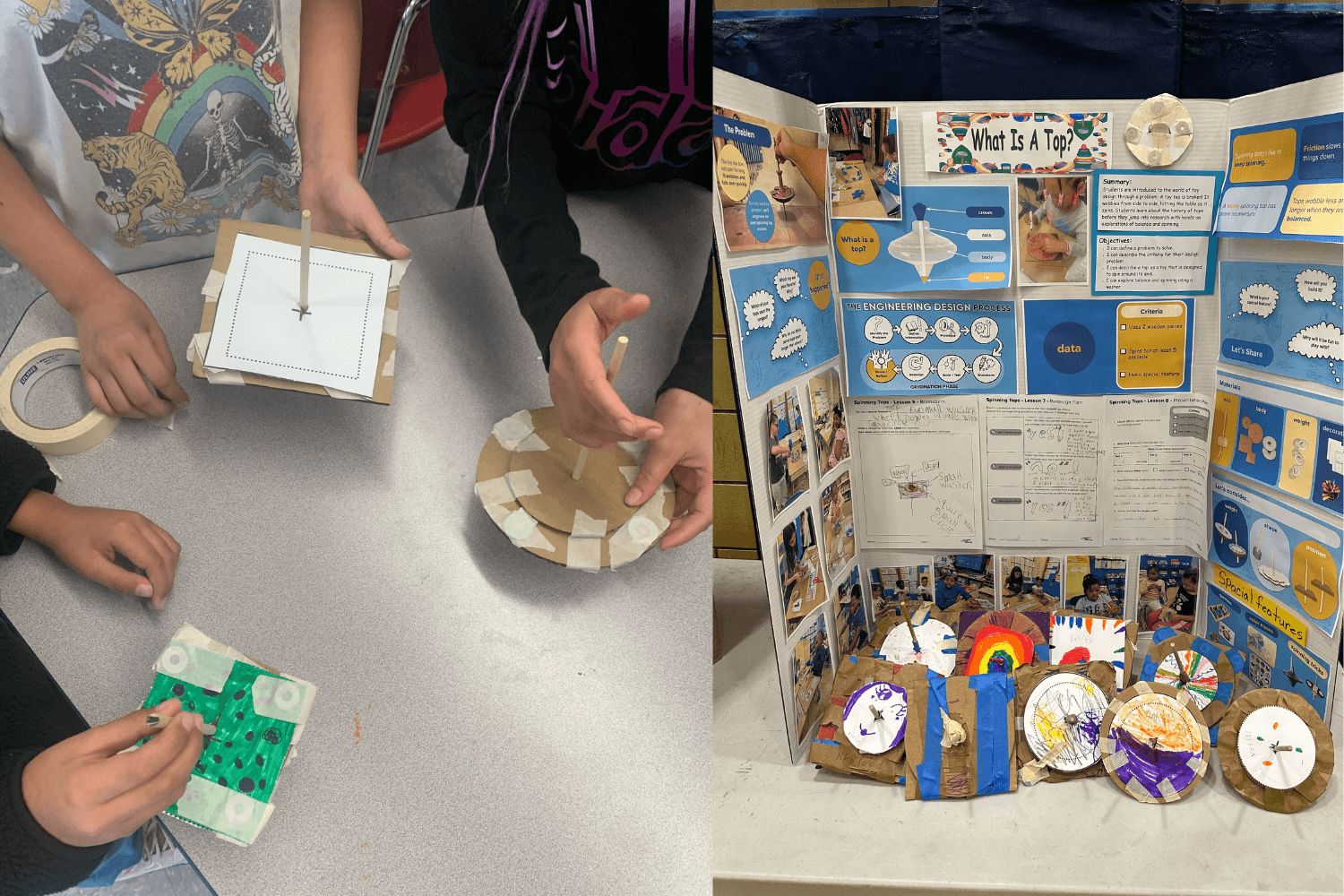
Spinning Tops
Designed for grades 2-3

A toy top that just won’t stay up? Third graders step in as engineers to fix it!
In this playful, hands-on unit, students start by exploring how gravity, friction, balance, and momentum impact the way tops spin through a series of experiments and investigations.
By tinkering and testing their way through the Engineering Design Process, they create balanced, long-spinning inventions that are both fun and functional.

What’s included:

  • 8 slide-based lessons (Approx. 10 hours of instructional time)

  • Standards alignment

  • Hands-on class material kits for up to 30 students

  • Embedded media and clear instructions

TOY INVENTION
Marble Runs
Designed for grades 3-5

A toy inventor's marble run design has a problem—the marble gets stuck before reaching the finish! Students step in as toy engineers to solve this movement challenge by exploring forces, energy, motion, and speed. They investigate how ramps, gravity, and friction affect marble movement, then collaborate to design and build their own marble run prototypes using everyday materials. Students apply the engineering design process to test and improve their designs, experimenting with different track features to keep marbles rolling. The unit culminates with teams presenting their marble runs and reflecting on the engineering principles that guided their solutions.

What’s included:

  • 9 slide-based lessons (10-12 hours of instructional time)

  • Standards alignment

  • Hands-on class material kits for up to 30 students

TOY INVENTION
Paddle Boats
Designed for grades 4-8

A toy inventor's rubber band paddle boat fails after just seconds, so students step in as engineers to solve the propulsion challenge! Through iterative design cycles, they test materials, analyze paddle configurations, and optimize rubber band propulsion systems to achieve sustained motion of 10 seconds or more.
The unit culminates with students presenting their design solutions, documenting both successful innovations and learning from failures in true engineering fashion.

What’s included:

  • 10 slide-based lessons (10-12 hours of instructional time)

  • Standards alignment

  • Hands-on class material kits for up to 30 students

  • Embedded media and clear instructions

EVERYDAY ENGINEERING
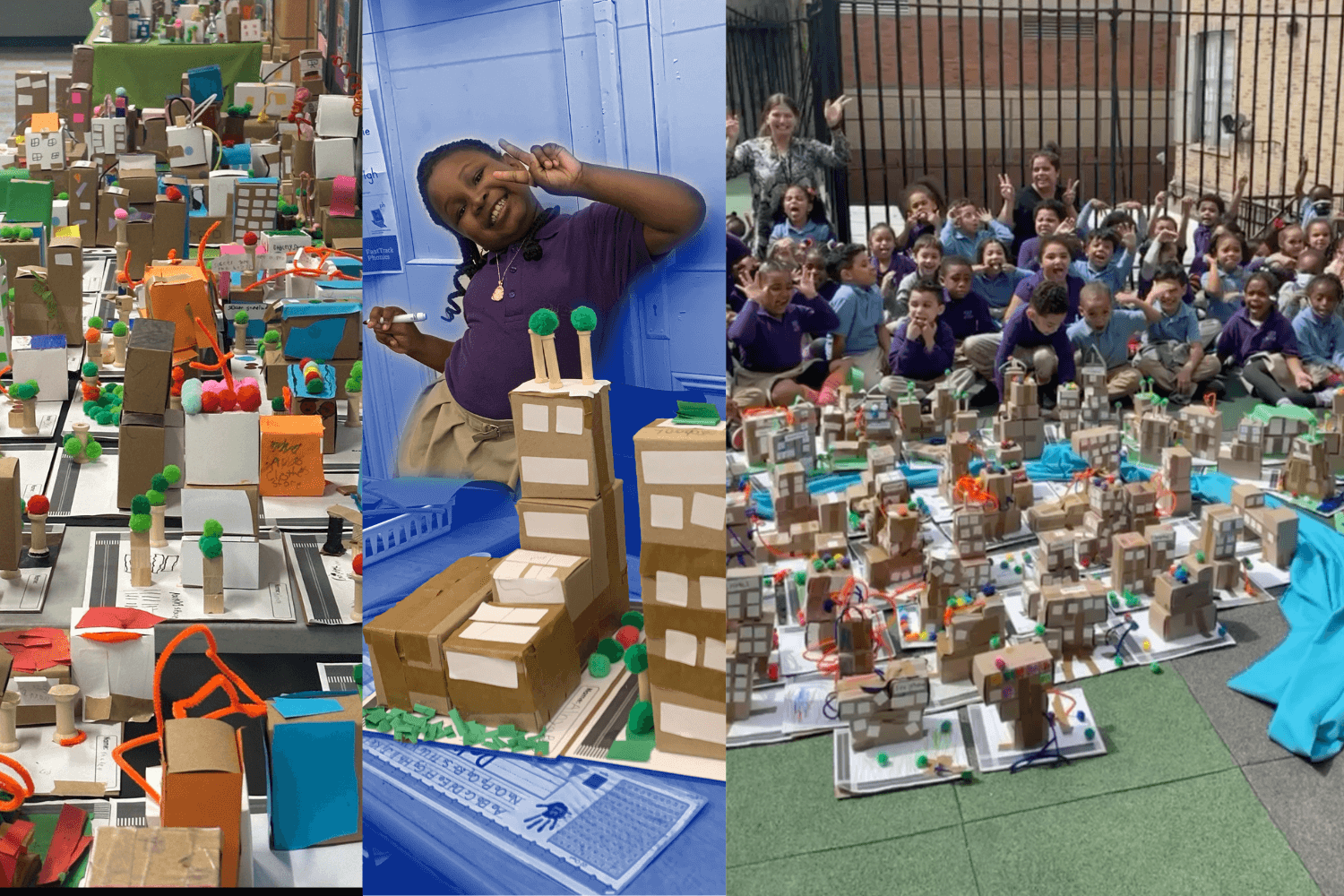
Neighborhood Design
Designed for grades K-2

An empty lot in a busy neighborhood needs development, so urban planners call on students to step in as city designers to determine what should be built there. Students explore different neighborhood types through observation walks and analyze how spaces serve community needs and wants. They apply the engineering design process to brainstorm, sketch, build, and test 3D models of buildings and public spaces using everyday craft materials while developing spatial awareness and urban planning skills. The unit culminates with students pitching their own designs for new places that could make the neighborhood healthier, happier, and more fun.

What’s included:

  • 10 slide-based lessons (10-12 hours of instructional time)

  • Standards alignment

  • Hands-on class material kits for up to 30 students

  • Embedded media and clear instructions

EVERYDAY ENGINEERING
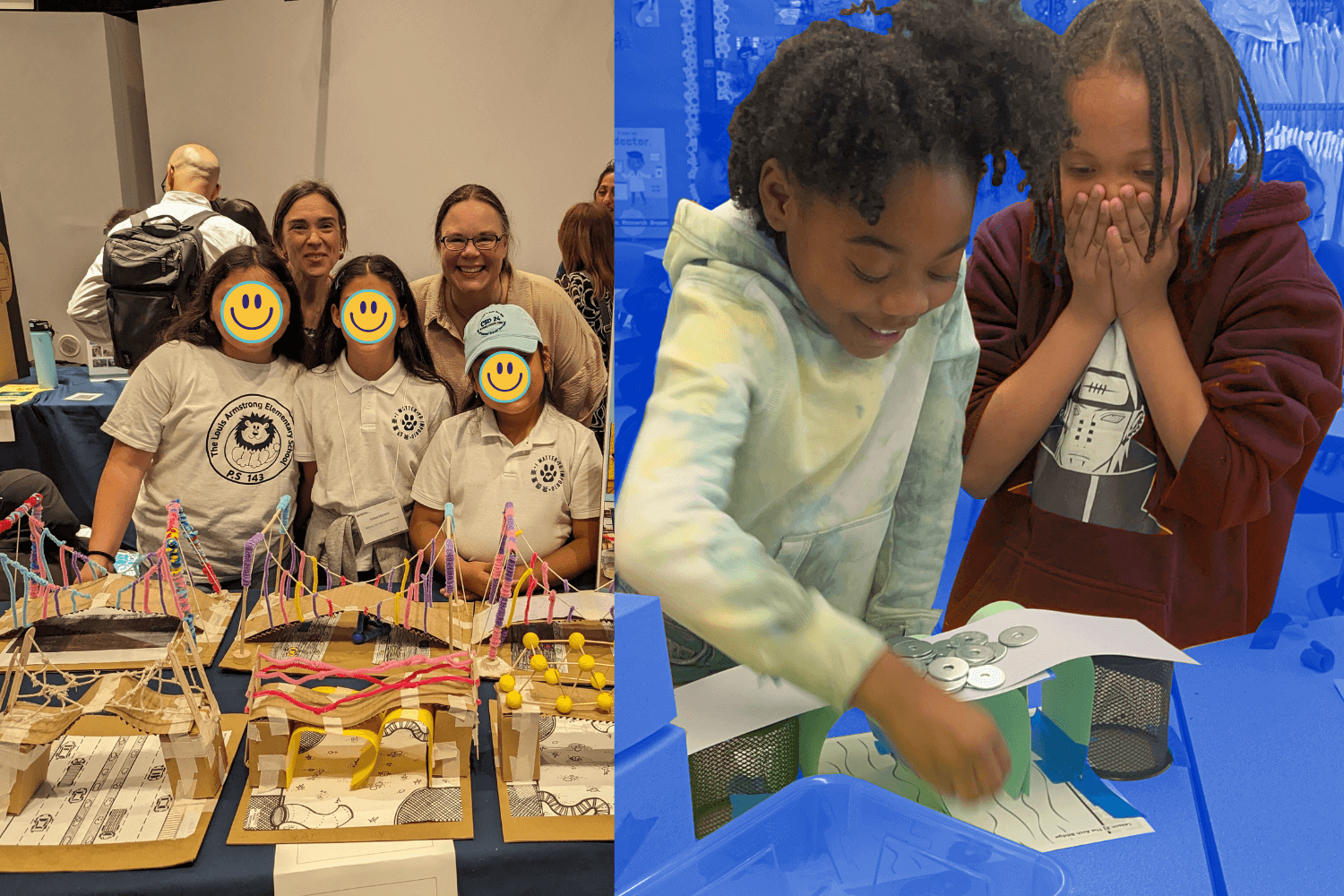
Building Bridges
Designed for grades 3-5
2 Students Building Mobile Sculpture DesignsDesigns

Three locations in the neighborhood need new bridges, so Civil Engineers call on students to step in and design solutions that meet each community's specific needs. Students conduct hands-on research using materials like paper, pipe cleaners, and string to examine the strengths and weaknesses of different bridge designs.
They apply their findings to collaborate with partners in designing bridge models that fulfill the unique requirements of their assigned location. The unit combines structural engineering principles with creative problem-solving as students present their final designs to address authentic community infrastructure challenges.

What’s included:

  • 10 slide-based lessons (10-12 hours of instructional time)

  • Standards alignment

  • Hands-on class material kit for up to 30 students

  • Embedded media and clear instructions