
Building Bridges
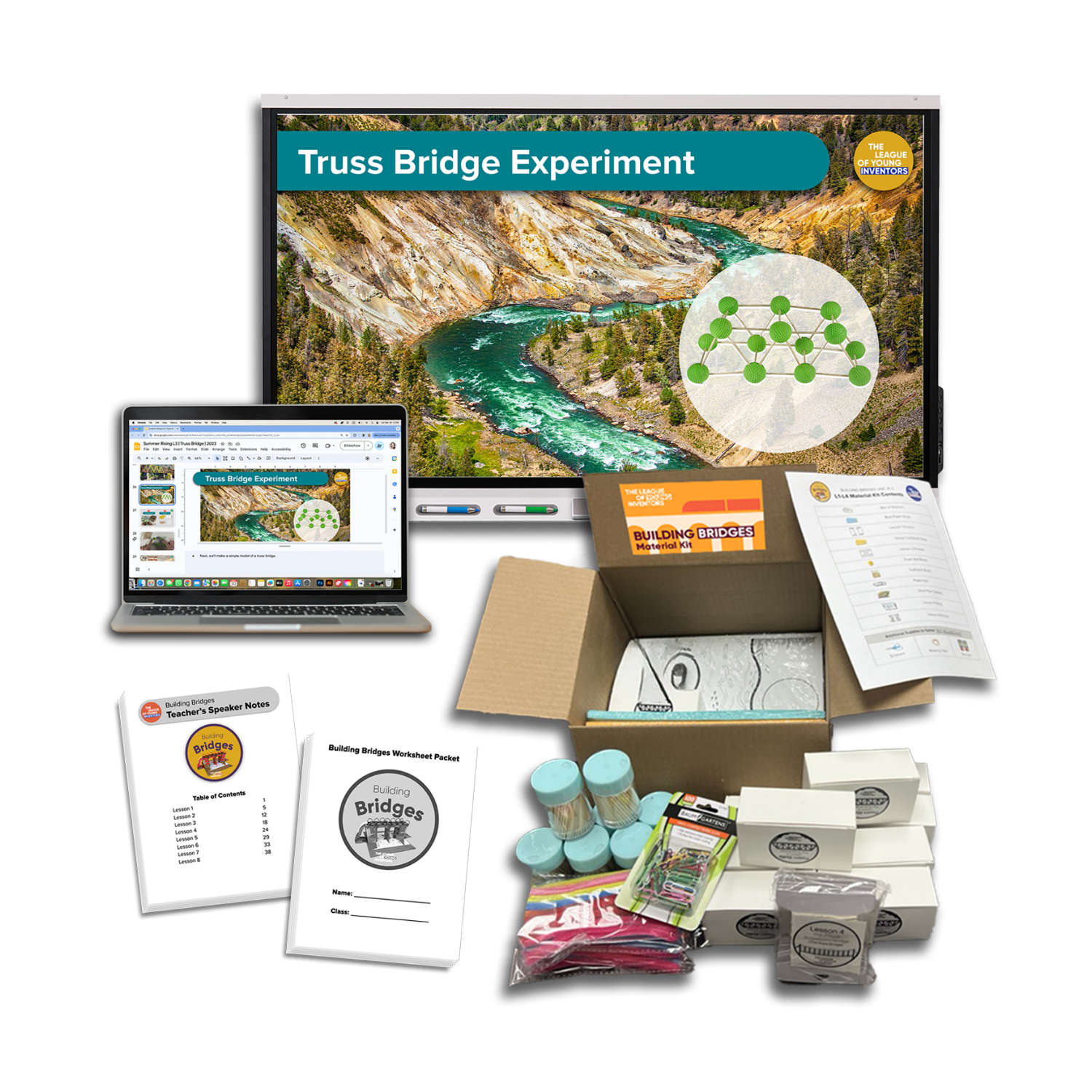
Three NYC locations need new bridges — and a city engineering firm has called on your students to design them. Working in teams, they investigate the four main bridge types, see how compression and tension shape every structure, and run hands-on tests that reveal how design choices affect strength and span. Each team is assigned a real location with real constraints: the bridge has to hold weight, allow passage underneath, and fit the site's specific needs. Students leave thinking like civil engineers — with evidence-backed designs they can defend.
What Students Learn
The strengths and weaknesses of the BATS Bridges: Beam, Arch, Truss, and Suspension
How compression and tension act on different parts of a bridge and why structure determines function
How engineers evaluate design trade-offs against real location constraints
How scientists and engineers ask questions, gather evidence, and defend their thinking through all 8 Science and Engineering Practices

What's Included
10 slide-based lessons with embedded graphics and media
Step-by-step teacher guide with facilitation notes
Student worksheet packet with pre/post assessment
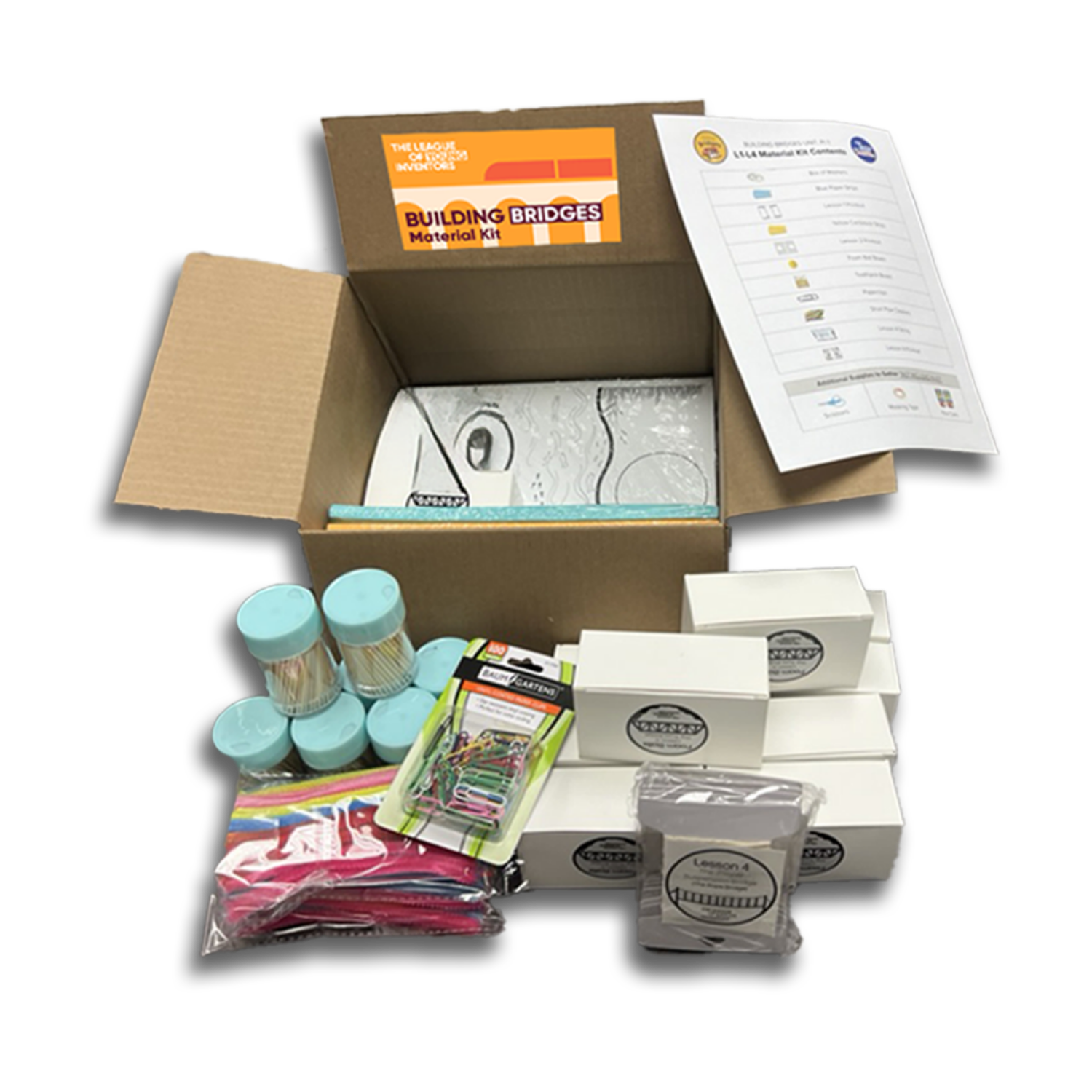
All hands-on building materials
Maker skill video tutorials
Standards Alignment
Upper Elementary NGSS Performance Expectations
Forces and Motion: 5-PS2-1
Engineering Design: 3-5-ETS1-1 · 3-5-ETS1-2 · 3-5-ETS1-3
Middle School NGSS Performance Expectations
Engineering Design: MS-ETS1-1 · MS-ETS1-2 · MS-ETS1-3 · MS-ETS1-4
Crosscutting Concepts
Patterns · Cause and Effect · Scale, Proportion, and Quantity · Systems and System Models · Structure and Function · Stability and Change